The Middle Powers Trap: Why National Assets Rarely Become Sovereign Wealth

⏱️ 10 Mins Read
What is a Middle Power?
In macroeconomic theory and geopolitics, middle powers are states that possess significant economic or strategic leverage, such as control over critical minerals, irreplaceable geographic positioning, or massive demographic scale, but fall below the threshold of superpowers. Today’s middle power countries include nations like Indonesia, Mexico, and Pakistan.
The Middle Power Trap
The Middle Power Trap occurs when these exact middle powers consistently fail to convert their strategic leverage into lasting sovereign wealth, primarily because the asset itself becomes a political impediment to structural transformation.
This is not a universal governance failure. Superpowers can absorb structural dependency, and failed states lack the institutional capacity to attempt conversion. The trap is specific to the middle tier of nations where the asset is real, the alternative is genuinely feasible, and the window for transformation is time-limited.
How This Differs from the Resource Curse
This framework is analytically distinct from the resource curse literature, though the two are frequently conflated.
The resource curse identifies the paradox of poor economic growth in resource-rich economies. The Dutch Disease variant describes how resource export revenues appreciate a country’s currency, making non-resource manufacturing less competitive and accelerating deindustrialization.
The Middle Power Trap operates through fundamentally different mechanisms:
| Feature | The Resource Curse | The Middle Power Trap |
| Primary Targets | Gulf monarchies and failed states. | Institutionally capable middle power countries. |
| Core Mechanism | Currency appreciation (Dutch Disease) and revenue mismanagement. | The political economy of activity metrics defeating ownership metrics. |
| Symptoms | Deindustrialization via export revenue inflation. | Loss of industrial sovereignty despite massive foreign investment or external inflows. |
| Policy Prescription | Sovereign wealth funds and export diversification. | Political willingness to build domestic institutional alternatives before external constraints arrive. |
For example, Indonesia did not suffer from Dutch Disease; it suffered from a critical minerals strategy that generated ownership transfer to foreign firms rather than to the state. Pakistan’s deindustrialization is not primarily caused by resource export revenues appreciating its currency; it is caused by remittance inflows inflating non-tradable sectors while the tradable manufacturing base hollows out.
What Successful Conversion Looks Like: Taiwan & Morocco
To understand the trap, we must first look at the ceiling of what deliberate state direction can achieve when middle powers refuse to settle for mere activity.
Taiwan: The Silicon Shield
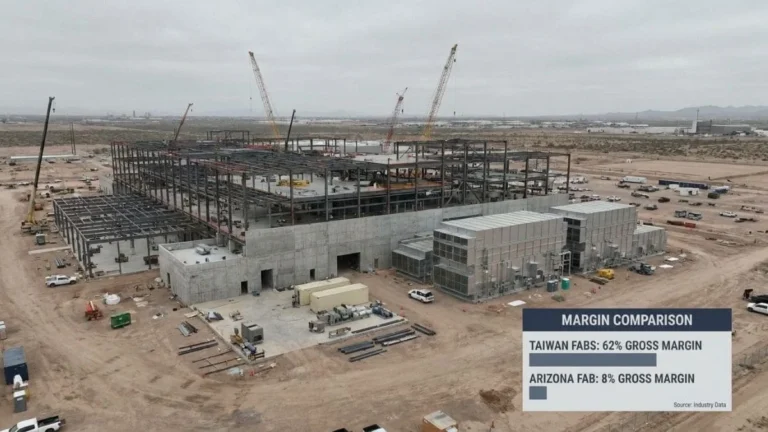
Taiwan possessed no natural chokepoint. In the 1970s, it was merely an assembler of other nations’ designs. Today, TSMC holds approximately 71 percent of the global foundry market. This dominance stems from a revolutionary business model: TSMC only manufactures chips and never designs its own, guaranteeing clients (Apple, Nvidia, AMD) that their manufacturer will never become a competitor. What Craig Addison called the “Silicon Shield” in 2001 is an accumulated knowledge base that took three decades to compound into irreplaceability.

Morocco: Conditional Success
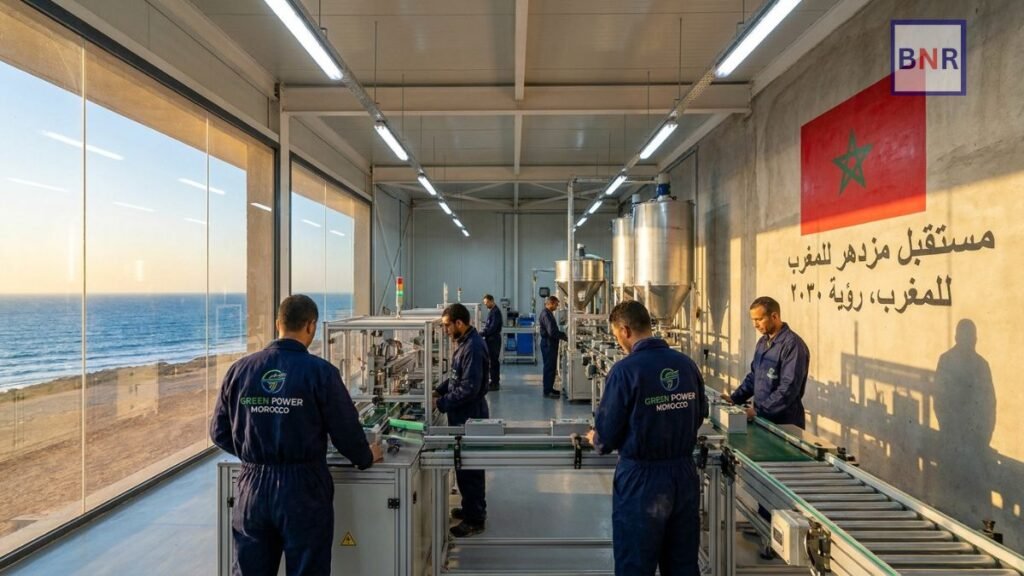
Morocco holds approximately 68 to 70 percent of the world’s phosphate reserves, a key input for lithium iron phosphate (LFP) batteries. Rather than exporting raw phosphate, Morocco combined its resource position with free trade agreements covering the US and EU markets.
Chinese battery manufacturers (Gotion, CATL) have committed billions to Moroccan soil to circumvent tariff barriers and access US Inflation Reduction Act (IRA) credits. However, this advantage is leased from the geopolitical preferences of others. Whether Morocco escapes the trap depends on ensuring that domestic value, not merely foreign manufacturing activity, stays within the economy before Western policy architectures shift.
Failure Mode 1: Industrial Leverage That Never Transfers
The first failure mode applies to middle powers executing a critical minerals export ban strategy or nearshoring policy that generates foreign investment but fails to secure domestic ownership of the value chain.
Indonesia (Nickel)
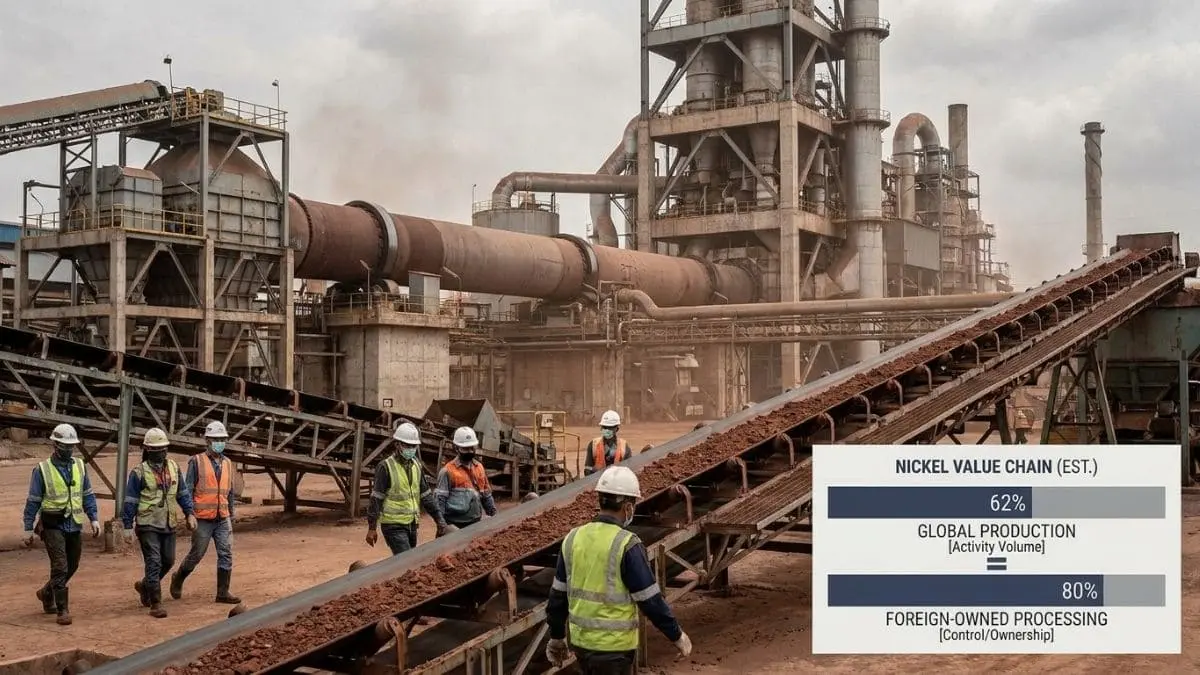
In 2020, Indonesia banned raw nickel ore exports to force downstream investment. By 2025, they controlled 62 percent of global nickel production and attracted over $40 billion in investment. However, the strategy ignored battery evolution.
Lithium iron phosphate (LFP) batteries (which require no nickel) surged in market share due to their 40% lower cost. Furthermore, Chinese companies hold stakes in an estimated 80 percent of Indonesia’s nickel refining capacity. The processing moved to Indonesia, but the ownership did not.
China’s ability to dominate ownership of processing infrastructure while appearing to invest in host economies is one dimension of the great power economic competition reshaping supply chains, energy corridors, and technology markets simultaneously.
Zimbabwe (Lithium)
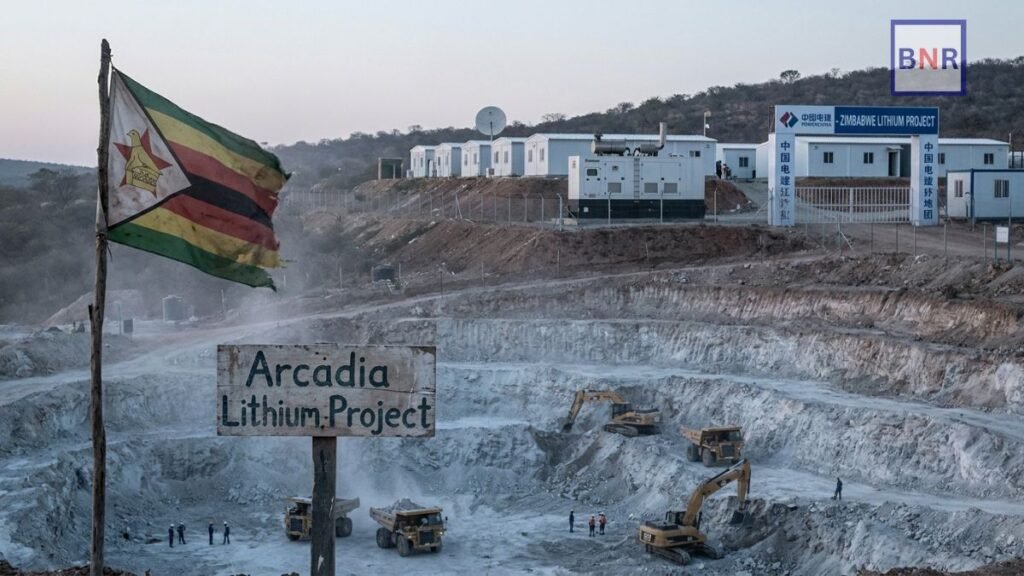
Zimbabwe attempted an export ban on raw lithium. However, unlike Indonesia’s nickel near-monopoly, global lithium supply is highly diversified. Chinese mining firms invested $1.4 billion, enough to acquire political entanglement without creating dependency. Because Zimbabwe lacks domestic capital to co-finance processing, foreign firms that build the refineries will own them outright.
Chile (Lithium)
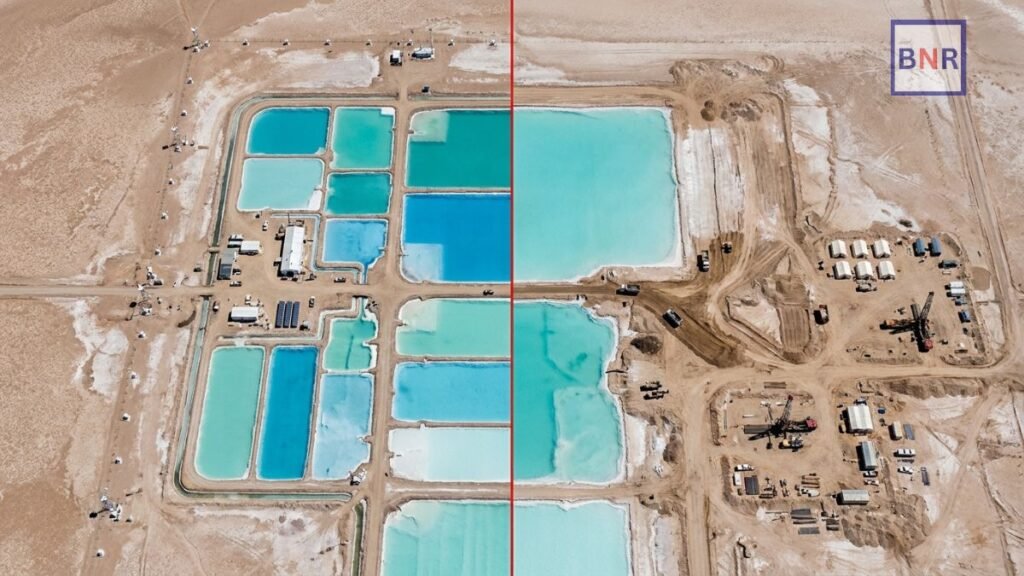
Chile possesses top-tier lithium brine reserves. Its National Lithium Strategy correctly identifies that state ownership is necessary to capture value. However, insisting on state majority ownership without the bureaucratic agility to deploy capital at market speed has created permitting paralysis. Strategic vision without execution machinery is merely a policy document.
Mexico (Nearshoring)
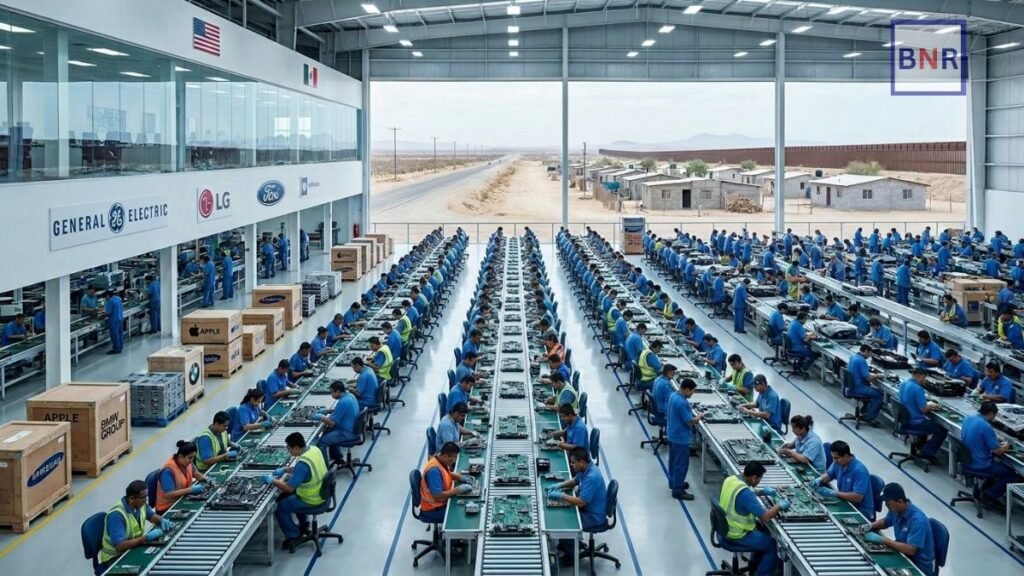
Post-pandemic nearshoring made Mexico the US’s top trading partner, with bilateral trade exceeding $976 billion annually. Yet, actual new foreign greenfield investment has hit multi-decade lows since 2022.
Foreign firms under the IMMEX program retain all intellectual property and design rights. Mexico’s geographic advantage generates employment statistics, but it does not generate sovereign wealth because the technology still belongs to the foreign principal.
Failure Mode 2: Dependency Flows That Prevent Reform
The second failure mode involves middle power countries where a massive external flow (demographic or monetary) is so embedded that the state manages the dependency rather than eliminating it.
- Pakistan (Remittance Dependency): In FY2025, Pakistan’s remittances reached a record $38.3 billion (9.4 percent of GDP), approximately 20 times annual FDI and more than total goods exports. As remittances inflate domestic purchasing power, capital shifts to non-tradable sectors (real estate) while export manufacturing hollows out. The state becomes dependent on remittances to cover the trade deficit caused by that very hollowing out, compounding the structural failure.
The diplomatic window Pakistan briefly held during the US-Iran peace talks represented a rare opportunity to convert strategic positioning into durable economic concessions, and whether Islamabad extracted full value from that moment is examined here.
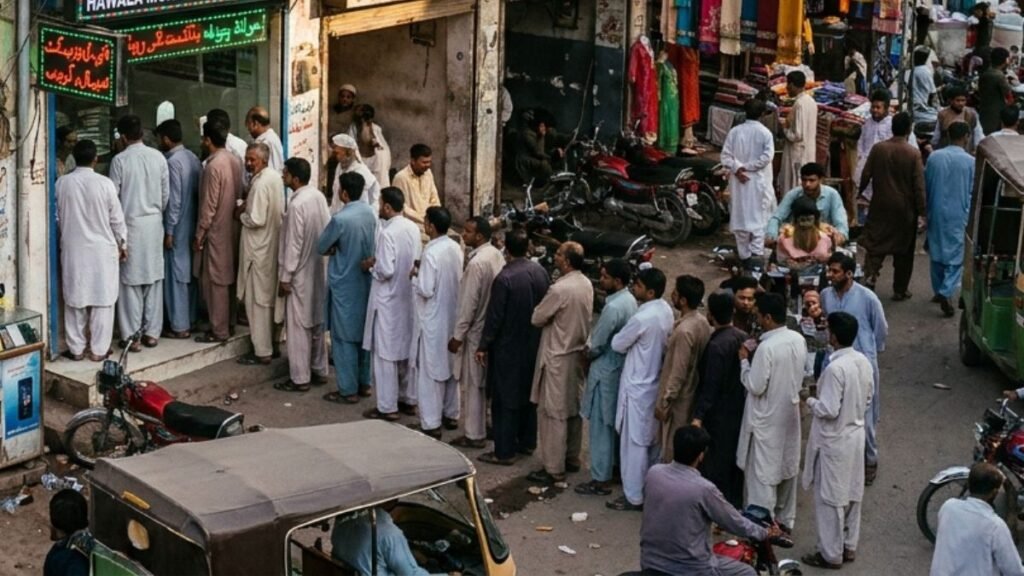
The immediate human cost of this structural failure is visible in Pakistan’s fuel prices, where a state with no fiscal buffer passed the full shock of global energy disruption directly onto working-class Pakistanis with no policy cushion.
- Nigeria (Crypto Formalization): Between 2024 and 2025, Nigeria processed over $92 billion in on-chain cryptocurrency value. Citizens built this parallel financial infrastructure to survive chronic naira inflation. Initially, the state banned it. However, Nigeria ultimately made the harder institutional choice: it formalized the alternative. The Investment and Securities Act of 2025 recognized digital assets, licensing virtual asset service providers. Nigeria chose to capture an institutional infrastructure its citizens had already validated, rather than suppress it and lose fiscal relevance.

The Unified Diagnosis: Activity vs. Ownership
What connects these middle powers is a common outcome generated by two distinct institutional failures operating under the same political logic: The political economy of the activity metric defeating the ownership metric.
Governments resolve the tension between attracting investment and owning it in favor of the activity metric (jobs, export numbers) because activity is visible and immediate. Ownership consequences are structural and delayed.
The bureaucracy gets better at managing the flow (e.g., processing remittances, counting foreign-owned factories), but the economy does not get better at securing industrial sovereignty.
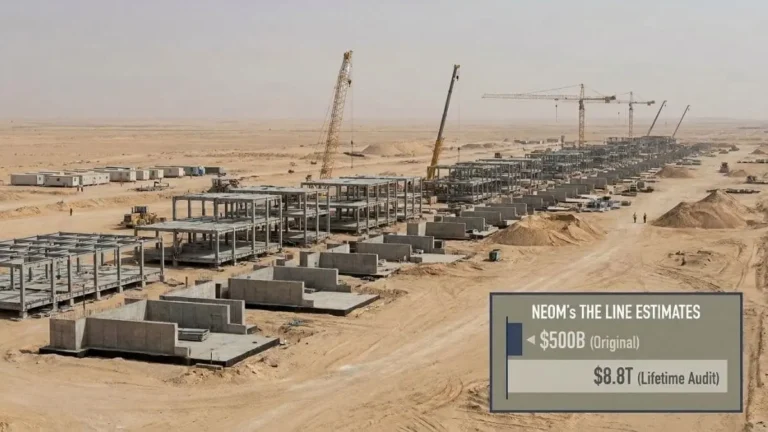
Saudi Arabia presents the trap in its most expensive form, a state with $925 billion in sovereign wealth and an explicit 15-year transformation plan, yet structurally unable to break its hydrocarbon dependency because the oil revenue funding the diversification is the same dependency the diversification is designed to eliminate.
The 2026 regional war did not create that contradiction. It removed the financial buffer that had made inaction viable. States escape the trap, as Taiwan and South Korea did, only when the cost of inaction becomes demonstrably and existentially more expensive than the political cost of reform.
Structural Pressure Points and the Window for Escape
The Middle Power Trap requires the convergence of three conditions: a visible deterioration in the dependency, a demonstrated alternative, and a government willing to pay the short-term cost of building superior institutions.
The external conditions historically subsidizing inaction for middle power countries are currently under severe structural pressure:
- Demographic Shifts: Second and third-generation diaspora populations remit based on economic returns, not homeland loyalty. Step-change moderations in these flows will expose structural fragility.
- Battery Chemistry Evolution: The technology stack determining which minerals are strategic is not fixed. Strategies capturing value today (like Indonesia’s) may accelerate the technological substitution that renders them obsolete tomorrow.
- AI-Driven Labor Substitution: As AI automates assembly and logistics, the labor-cost arbitrage of nearshoring (like Mexico’s) will compress, leaving geography alone insufficient to generate wealth without domestic IP.
The Middle Power Trap is not permanent. Every case examined here retains a viable path to escape. The irony is that waiting for the external constraint to make the choice unavoidable is itself the trap, because the institutional capacity required to execute transformation atrophies precisely when management of the dependency appears to be working. The external constraint is tightening; the window is not.
Read more analysis in our Middle Power Trap section.