The PIF Liquidity Reality: Auditing PIF Asset Under Management


⏱️ 2 Mins Read
The Public Investment Fund (PIF) has announced its 2026–2030 strategic cycle, with a major tactical retreat from speculative overseas bets to enforce domestic fiscal discipline. The sovereign wealth fund is shifting from rapid global expansion to value realization to overcome a budget deficit.
Anyone analyzing Saudi Arabia economy news must recognize that the era of unlimited petrodollar capital is over, replaced by strict portfolio limits and aggressive debt market utilization.
What is the current PIF asset under management?
PIF Financial Status Summary:
Those asking how big is the Saudi Public Investment Fund should note that as of the latest 2025/2026 disclosures, the PIF asset under management stands at around $900 billion.
The net profit of PIF jumped by 152% to $17 billion, mostly due to state-transferred dividends. The annual shareholder returns have also dropped to 5.8%, due to market uncertainty, causing low valuation movements across global equity portfolios.
What is public investment fund Restructuring? The Overseas Cap and Sports Retreat
Investors must look to the Crown Prince and the fund’s board, which just approved a massive strategic change, to understand who owns PIF and controls its capital flow. Saudi Arabia has slashed the PIF’s international spending limit to 20% from 30%.
This cap ensures capital remains within the Kingdom to support domestic ecosystems. This retreat is most visible in the fund’s high-profile legacy assets. To cut bleeding liabilities, the PIF confirmed the complete withdrawal of its financial backing from the LIV Golf League, effective at the end of 2026.
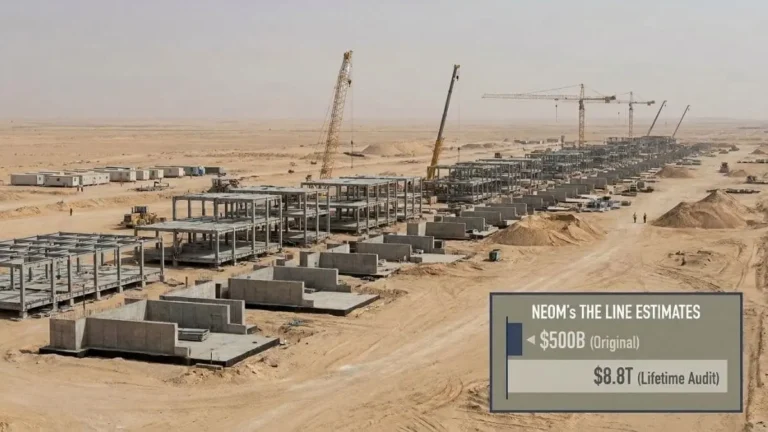
In addition, the mega projects, especially in the NEOM smart city, are being cut down to match cash flows. The futuristic NEOM megacity has also seen visible budget adjustments, and PIF is redirecting capital strictly toward viable industrial zones and green hydrogen.
PIF 2026–2030 Portfolio Restructuring
The multi-billion-dollar portfolio has now been streamlined for those looking to invest in Saudi Arabia or partner with the state.
| Portfolio Category | Primary Mandate | Core Focus Area |
| The Financial Portfolio | Guard national wealth via liquid global markets | Generating traditional, highly liquid financial returns |
| The Strategic Portfolio | Commercialize existing PIF companies | Scaling domestic entities into global, self-sustaining leaders |
| The Vision Portfolio | Build the non-oil economy | Structurally building domestic ecosystems (clean energy, manufacturing, tourism) |
The Debt of Saudi Arabia: Why PIF is Borrowing to Build
When investors ask, ‘Does PIF own Aramco?’, the answer explains the liquidity crunch: the PIF’s immense paper wealth is heavily tied up in illiquid domestic equity and state transfers, such as Saudi Aramco shares, rather than in deployable liquid cash. The PIF, to manage growing cash needs without liquidating core investments, offered a $7 billion bond sale in May 2026.
This utilization of debt markets directly impacts the broader national debt of Saudi Arabia and the Saudi Arabia debt to GDP ratio, which are rising as the kingdom finances Vision 2030 through borrowing.
To mitigate these pressures and invest Saudi capital, the PIF launched an $8.6 billion Private Sector Hub initiative. This transition shifts the fund from being the primary builder to an architect, handing off supply chain and project development duties to independent private businesses.
For a complete macroeconomic context on how these infrastructure priorities affect the broader kingdom, see our analysis of Saudi Vision 2030’s economic progress and triage.
Read more analysis in our Middle Power Trap section.