The Geopolitical Price Tag: How Middle East Conflict Affects Africa

⏱️ 3 Mins Read
A US-Iran war is causing an immediate, severe macroeconomic shock to Africa’s energy and agricultural sectors because of its reliance on imported fuel and petrochemical fertilizers.
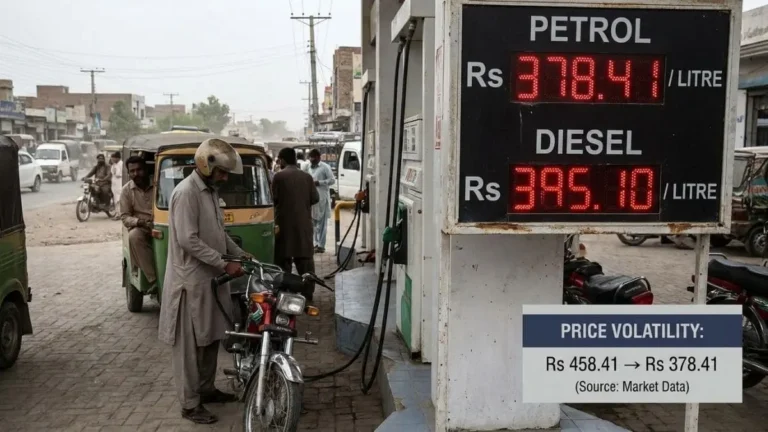
The closure of both the Strait of Hormuz and Bab al-Mandeb has caused high volatility in oil prices and forced shipping lines to reroute around the Cape of Good Hope, blocking West African trade routes that led food insecurity.
Iran is also striving to monetize remaining Hormuz traffic through a formal toll regime, turning military closure into a revenue stream.
Middle East conflicts are hitting Africa hard because of its import dependence, creating domestic cost-of-living crises.
How did the Gulf War impact Africa?
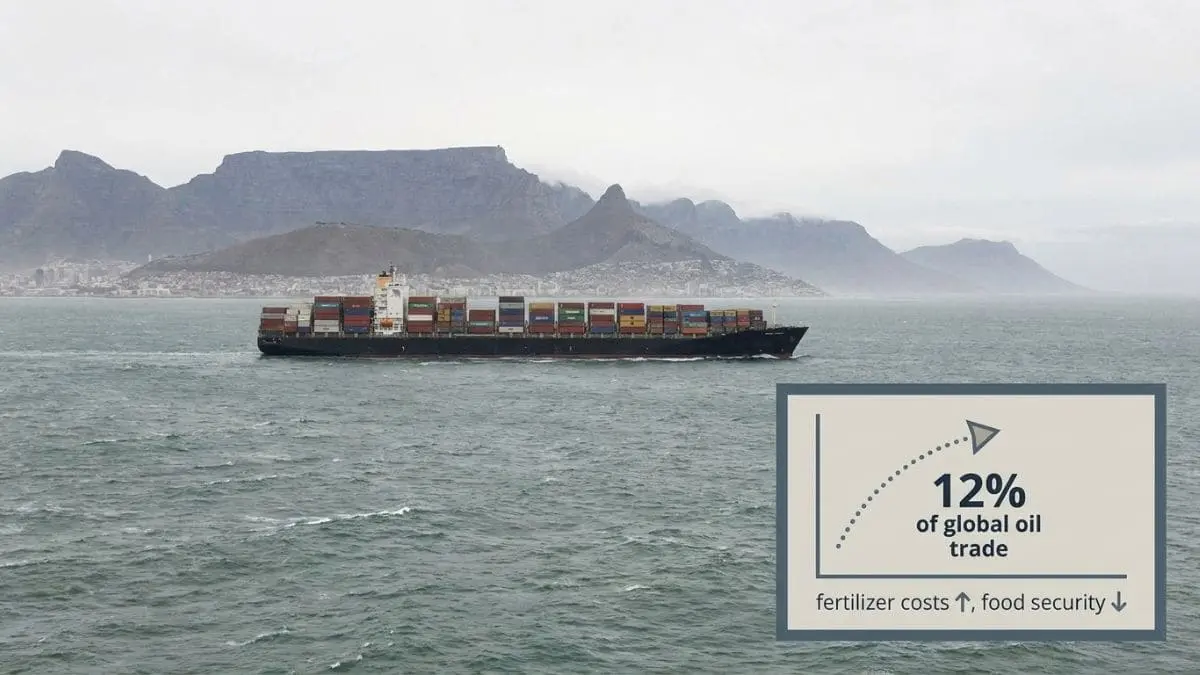
The Gulf War has virtually fractured Africa’s economic system after maritime route disruption. Houthi forces, by seizing the Port of Mokha and Perim Island, are now dictating transit through the Bab al-Mandeb Strait, a corridor that handles nearly 12% of global oil trade, pushing African nations towards soaring freight premiums and delayed shipments.
Agricultural Paralysis: The Petrochemical Fertilizer Deficit
The oil and Africa equation goes far beyond fuel consumption, because its pricing decides the agricultural output of the continent.
African farmers rely heavily on imported petrochemical fertilizers. When Middle Eastern conflicts spike crude and natural gas markets, the cost of manufacturing and transporting these fertilizers skyrockets.
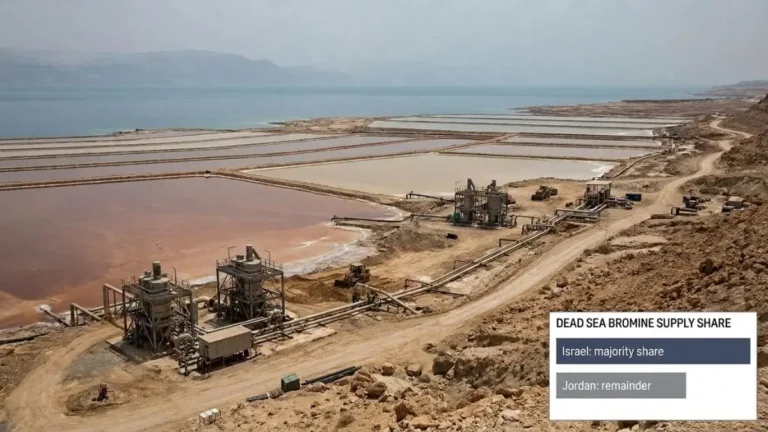
The same Middle East conflict is also disrupting semiconductor-grade bromine supply from Israel and Jordan, proving that the war’s industrial consequences extend far beyond energy markets.
This dynamic immediately threatens food security in highly vulnerable regions like the Sahel and the Horn of Africa, where reduced fertilizer application guarantees depressed crop yields.
This structural dependency, driven by the lack of domestic refining capacity, has now been exposed after the fuel price hike.
In response, South Africa has adopted a defensive posture, urgently stockpiling fuel and trying to revive domestic refining infrastructure after years of reliance on imports.
Maritime Congestion and Cost-of-Living Crises
After the Bab al-Mandeb blockade, commercial vessels are rerouting bulk carriers and container ships around South Africa’s Cape of Good Hope, bypassing the Red Sea entirely.
This diversion severely impacts port businesses: some of them see a spike in bunkering traffic. This sudden influx of diverted mega-ships overwhelms existing capacity, driving up demurrage fees and creating bottlenecks in regional supply chains.
The increasing oil prices affect the cost of living, feeding directly into transport, electricity, food distribution, and the cost of basic household staples. It also adds to the import bill, systematically draining sovereign foreign exchange reserves across the continent.
| Economic Sector | Transmission Mechanism | Immediate Impact on Africa |
| Agriculture | Spiking fuel and transport costs inflate the price of imported fertilizers. | Depressed crop yields and escalating regional food insecurity in the Horn of Africa and Sahel. |
| Energy Security | Heavy reliance on imported refined petroleum products. | Domestic cost-of-living crises; rapid depletion of sovereign foreign exchange. |
| Maritime Logistics | Rerouting 12% of global seaborne oil away from the Bab al-Mandeb. | Surcharges and severe congestion along West and South African ports. |
Security and Diplomatic Realignment
The fallout of Gulf hostilities is not strictly economic. The Houthis’ advance places their forces just 80 miles from Camp Lemonnier in Djibouti, the sole permanent US military facility in Africa. This proximity is actively catalyzing cross-pollination between militant networks.
The UN report confirmed that al-Shabaab in Somalia is providing maritime facilitation in piracy operations to the Houthis in exchange for advanced weaponry. With Washington signaling the termination of funding for UN logistical support to the African Union’s mission in Somalia by 2027, this influx of sophisticated arms grants al-Shabaab unprecedented operational leverage.
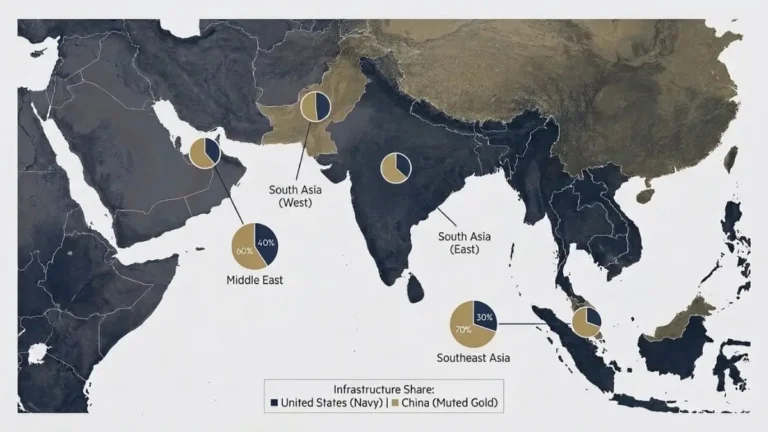
Faced with compounding economic and security pressures, African leaders are aggressively focusing on strategic autonomy rather than aligning with traditional blocs. China has capitalized on this opening by offering zero tariffs to 53 African nations, providing an alternative export market.
This is the great power economic competition, operating exactly as Beijing’s long-game strategy intends, using American military distraction to extend economic architecture across the Global South.
African policymakers are explicitly rejecting binary choices between Washington and Beijing, opting instead for multi-vector partnerships that prioritize domestic industrialization, energy resilience, and regional supply chain sovereignty.