Ukraine Winning or the US? Europe Lost the Russia-Ukraine War

⏱️ 5 Mins Read
The geopolitical landscape of the Russia-Ukraine war is often framed as a binary struggle, yet a deep analytical examination of the core question: Is Ukraine Winning? Who is the real winner in the Russia-Ukraine War? reveals a complex dynamic with distinct beneficiaries beyond the battlefield, with the US as the dominant winner.
While the conflict is a profound tragedy for the nations directly involved, the US has structurally rewired trade, finance, and military architecture to secure long-term strategic gains.
📌 Executive Brief
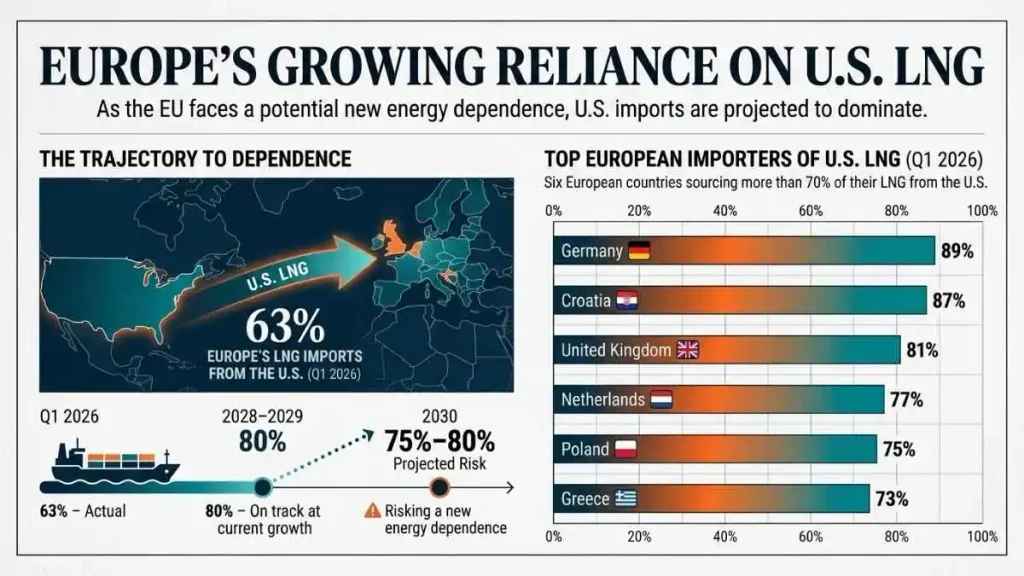
- The US Defense & Energy Supercycle: The United States emerges as the primary strategic and economic beneficiary. A large share of the money in the Ukraine aid bill is reinvested domestically, driving a multi-billion-dollar manufacturing supercycle for US defense contractors. Concurrently, the US has replaced Russia as Europe’s dominant energy provider via premium LNG exports, while safe-haven capital flight structurally boosts the U.S. dollar.
- North Korea’s Geopolitical Windfall: Pyongyang has successfully leveraged the conflict to break decades of diplomatic isolation. By supplying Moscow with artillery and troops, North Korea has secured an estimated $7.7 billion to $14.4 billion in hard currency, alongside advanced Russian military technology transfers (space launch, air-defense) and invaluable real-world combat experience.
- Russian Sanctions Realignment: Despite catastrophic troop casualties and conventional military attrition, Moscow has circumvented the Western sanctions regime. By pivoting to alternative supply lines and utilizing its UN Security Council veto to dismantle international monitoring panels, Russia has structurally shifted its diplomatic and economic reliance to non-Western partners.
- The Structural Erosion of Europe: Europe stands as the primary strategic loser. The forced decoupling from cheap Russian pipeline gas in favor of expensive U.S. LNG has triggered skyrocketing manufacturing costs. This is accelerating deindustrialization across Germany and France, draining capital to U.S. markets, and cementing Europe’s long-term energy and security dependence on Washington.
When observing the daily headlines, observers often wonder: can Ukraine win the war against Russia? In contrast, others speculate that Ukraine is losing because of severe equipment and personnel constraints.
The reality is that the definition of “winning” has shifted far beyond the front lines to global economic and strategic realignments. This war has permanently transformed international security frameworks.
How many Russian soldiers have died in Ukraine?
The human toll is myriad, raising constant questions about how many Ukrainians have died in the war alongside their adversaries. When asking how many Russian soldiers have died in Ukraine, an independent organization, Mediazona, working with the BBC’s Russian service, confirms 282,993 Russian military deaths, with a total death toll of 352,000 till October 25, 2026.
Similarly, according to the Center for Strategic & International Studies, the losses of Ukrainian forces have reached somewhere between 500,000 and 600,000 casualties. Furthermore, it estimates the total death toll could reach 2 million by spring 2026 at current attrition rates.
Who gave Ukraine the most aid?
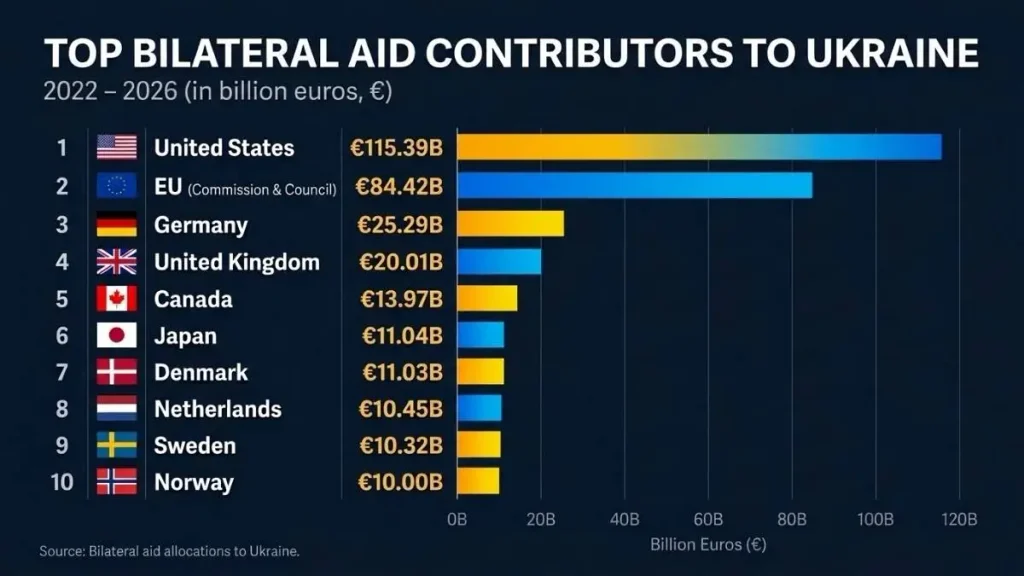
Bilateral aid allocations to Ukraine were heavily concentrated among the top 10 contributors, led by the United States and European Union nations. The United States is the largest donor, with a total allocation of US$129.28 billion (115.39 billion euros), providing substantial military assistance alongside financial and humanitarian support. A large share of the money in the Ukraine aid bill is reinvested domestically, driving a multi-billion-dollar manufacturing supercycle for US defense contractors. However, Congress has not passed any major new aid packages since 2024.
Following the US, the European Union (Commission and Council) provided US$ 94.58 billion (84.42 billion euros), directing the vast majority of its commitments toward direct financial aid. Individual European nations and G7 partners are among the top-tier donors.
Germany ranks third overall and first among individual European countries, with 25.29 billion euros, primarily in military and financial assistance. The United Kingdom follows with 16.76 billion pounds, largely weighted toward military support. Canada contributed US$15.65 billion, while Japan provided US$12.36 billion, focused heavily on non-military financial and humanitarian channels.
The lower half of the top ten is dominated by Northern European countries delivering substantial, primarily defense-oriented aid relative to their size. Denmark provided 11.03 billion euros, followed closely by the Netherlands with 10.45 billion euros, Sweden with 10.32 billion euros, and Norway rounding out the top 10 at 10.00 billion euros. Across all top ten contributors, bilateral commitments exceed US$11 billion each, reflecting sustained military and fiscal backing for Ukraine across North America, Europe, and East Asia.
Who is Russia’s #1 Enemy?
From a strategic perspective, Russia’s primary adversary is the Western-led international order, specifically the United States and its NATO allies, who staged a comprehensive economic and military containment strategy.
At the same time, tactical developments constantly shift, whether it is a devastating Russian strike on infrastructure or bold operations where Ukraine hits Russia strategically.
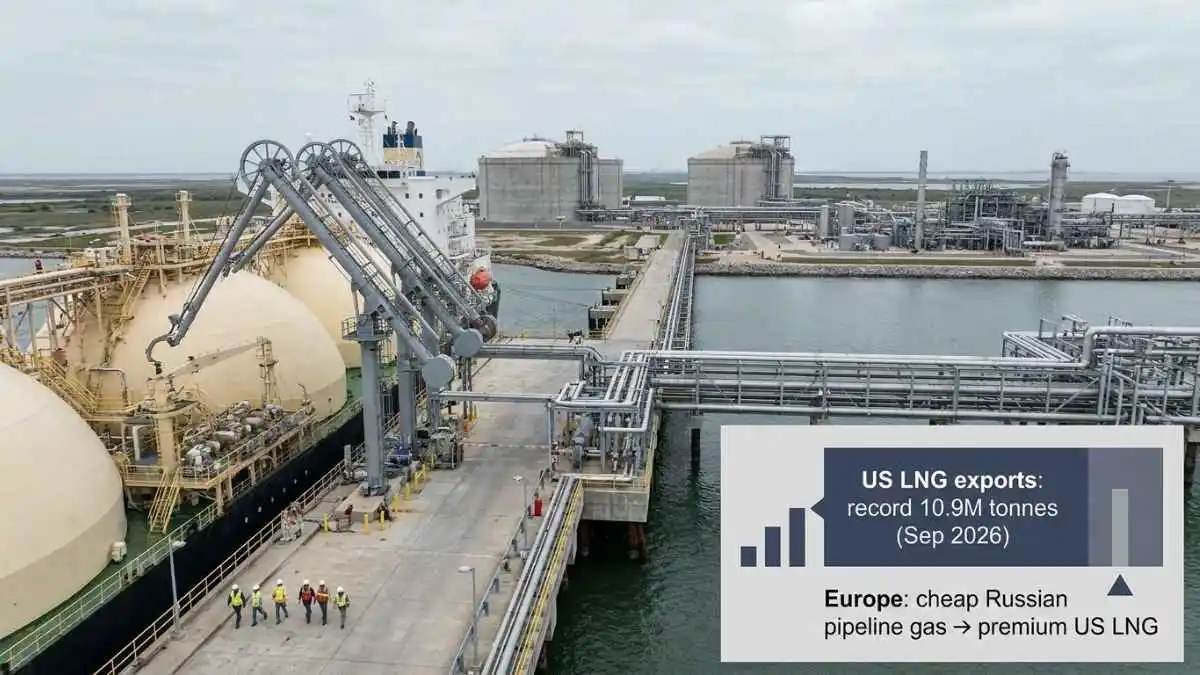
The US and Europe have successfully decoupled from cheap Russian energy. By cutting Europe off from Russian pipeline gas, the US is striving to position itself as Europe’s dominant energy provider, exporting a record 10.9 million metric tons of Liquefied Natural Gas (LNG) in September 2026. This structural realignment ensures long-term revenue streams for US producers while inflating manufacturing costs for European industries.
Moreover, this energy dominance is a broader great-power economic competition, where the US uses its military presence, technology access, and financial architecture to maintain structural dominance.
The Pyongyang Pivot: How North Korea Broke Its Isolation
North Korea has leveraged the conflict to change its geopolitical trajectory more than any other nation, transitioning from an isolated actor to a key strategic partner for Moscow. That trajectory shift is now creating the conditions for a potential Trump-Kim summit that could permanently alter the Korean Peninsula’s security architecture.
Financial windfall estimates indicate North Korea has pulled in between $7.7 billion and $14.4 billion from its defense pact and also leveraged its relations with Russia diplomatically, which used its UN Security Council veto power to block monitoring panels, effectively dismantling the international sanctions regime on North Korea in 2024.
The Global Ledger of Winners and Mechanisms
| Entity | Primary Mechanism of Gain | Strategic/Economic Outcome |
| United States | Defense Manufacturing Supercycle & LNG Export Dominance | Record-breaking backlogs for defense firms; U.S. positioned as Europe’s dominant energy provider; structural boost to the U.S. dollar. |
| North Korea | Weapon Sales & Troop Deployment Salaries | Influx of $7.7B–$14.4B in hard currency; acquisition of advanced tech; real-world combat experience for military units. |
| Russia | Sanctions Evasion & Resource Reallocation | Secured alternative supply lines; utilized UN veto power to dismantle monitoring panels; shifted diplomatic leverage. |
| Global Markets | Supply Chain Rewiring | Shift from cheap Russian pipeline gas to premium U.S. LNG; consolidation of global financial centers in the U.S. |
The Losers: Structural Erosion of European Power
Even if a complete Russia Ukraine war ceasefire were signed in the near future, the structural erosion of European economic and strategic autonomy is already cemented.
Europe’s shift from cheap pipeline gas to premium US LNG has forced energy-intensive industries in Germany and France to relocate to the US or Asia, permanently reducing industrial capacity.
As European markets faced volatility, billions in global capital fled to the US stock exchange. Ultimately, Europe has become more dependent on the United States for both its security architecture and its foundational energy needs. That dependency is now forcing Europe’s most nuclear-averse power to publicly train alongside French nuclear-capable aircraft for the first time in postwar history.
Meanwhile, the US has effectively turned the war into a financial arbitrage opportunity, reinforcing its status as the global reserve currency.
Read more analysis in our Great Power Economics section.